Do you have any advice for remote workers?

Interview with Vivek, an entrepreneur building a virtual office for remote teams
View social isolation as a fun challenge, not an obstacle. Many people don't have strong physical social networks where they live, and that's totally fine!
Use the opportunity to find the intersection of your hobbies and a community, such as a recreational basketball league or church group that meets to play board games. Whatever you decide to do, make sure that you're consistent.
Also, not all remote positions are created equal.
Beware of situations where:
1) You would be the only remote worker, and 2) The hiring company is not promoting ways to support remote workers (i.e., not "remote-friendly"). You'll be fighting a losing battle in feeling productive and being included in the company discourse.
I've interviewed a few remote workers who are obviously worn down by communication dynamics that reward office workers and beat down remote workers by exclusion.
Great remote situations exist - you just have to go out there and find them.
The long San Francisco commute sent Vivek into remote work—hear about his three strategies for eliminating distractions & his must-have tools.
Read full interview from Interview with Vivek, an entrepreneur building a virtual office for remote teams.

Interview with Laura, a communications specialist and travel writer by night
My advice is to stay connected with the people you work with and develop bonds with them.
You don't have to be best friends, but when you find common ground with people you work with (or for) and when you discover and establish that you're working toward the same goal, you'll find your passion and motivation increase.
Create and encourage a team environment and you'll find joy in your work.
Laura Coronado discusses her method for juggling her career as a communications specialist by day and her side hustle as a freelance travel writer by night.
Read full interview from Interview with Laura, a communications specialist and travel writer by night.

Interview with Alaina, a nonprofit program state director
Get organized!! Set a schedule and try to stick to it regularly. Have a set start time, and include breaks as well as an end time for the day.
Be prepared to have conversations with family and friends about the boundaries of work time.
That's a real conversation I've had with family who thinks that because I am home, I'm not working. Be firm and know that remote work means flexible hours, but if you don't work during the day, you might be pulling all-nighters to complete tasks.
Also, get out of the house to work. Change your scenery. Find a coffee shop (with wifi) or a library where it's productive to work.
Lastly, find a remote work buddy to work alongside. Being remote doesn't mean you can't be sociable!
It takes a minute to find your rhythm in a new remote position—hear how Alaina organizes her time to hit the ground running in a new remote work job.
Read full interview from Interview with Alaina, a nonprofit program state director.
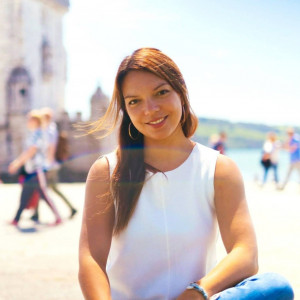
Interview with Michelle, an organizer of digital nomad experiences
- Work in a coworking space.
- Take brakes.
- Do fun things.
It is easy to work all day since you can work anytime from anywhere and forget about your social life or get out for a walk. However, it is important to have a balance.
A solo backpacking trip led to Michelle organizing co-travel experiences for digital nomads—hear how she manages working while traveling.
Read full interview from Interview with Michelle, an organizer of digital nomad experiences.
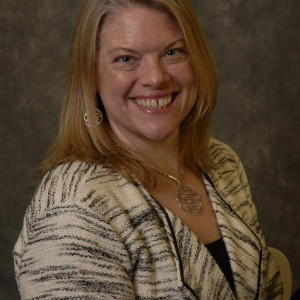
Interview with Pamela, a travel writer adjusting to freelancing
Meet other successful entrepreneurs and freelancers and learn as much as you can from them.
There’s no need to re-invent the wheel.
I am humbled by the number of strangers who have answered my questions, taken a moment to review a submission or provide guidance.
I would also suggest putting social time on your calendar. The inside of your head is a dangerous place to be. It’s important to be out among friends, family, networking events, and classes to keep your brain in check.
Pamela is new to the world of freelancing. In this interview, she shares the ups and downs of adjusting to the gig economy.
Read full interview from Interview with Pamela, a travel writer adjusting to freelancing.
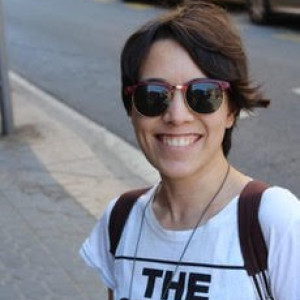
Interview with Cecilia, a content writer managing her remote career in Dubai
My advice is to upgrade your skills frequently. You can do this by working on a personal project, taking online courses, attending events with experts in your industry, and staying on top of the latest trends in your industry by setting up Google Alerts.
Remote work requires people to adapt very quickly to new tools and processes.
The more familiar you are with all the tools of your trade and the more practice you have with learning new skills quickly, the better you'll be at your job.
Cecilia got her start translating blog posts, and in 2018 she went fully remote. See her tips for managing an international remote work career.
Read full interview from Interview with Cecilia, a content writer managing her remote career in Dubai.
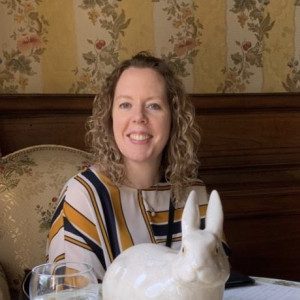
Interview with Emma, a freelance marketing consultant
This is tricky because I think you have to find what works for you. I’ve found that still having a relatively structured day is great and also that separate zone for my office work rather than trying to work out of the kitchen or something.
One bit of advice for remote freelancers that work across a number of different clients – have a different notebook for each client, I find that really helps me manage all the different tasks.
Emma is thriving as a freelance marketing consultant—see her tips on managing client demands & making yourself marketable as a freelancer.
Read full interview from Interview with Emma, a freelance marketing consultant.

Interview with John, an international business writer sharing 15 years of insights
I’d say we’re in a long transition to more remote work—and finding organizations who both need your skills and who are willing and able to work with remote workers is very challenging but very important to focus on.
So, my most important suggestion is to try to find clients or employers who want to work with remote workers or who are part of the remote work movement.
It’s important to find clients who understand that just because you’re remote, doesn’t mean that you’d like your role to be eliminated when internal capabilities are found to meet the need you have already been assisting with.
Focusing on clients who understand remote workers and their needs will fundamentally alter your career prospects and work and life stability.
Take time when possible to socialize with others and spend good amounts of time away from work. Often remote work can creep into weekends and late hours. Try where possible to set limits, while maintaining the flexibility to work more when necessary.
It’s not fun to get to the end of a week and realize you’ve worked so much you never had time to have a day or two of rest and relaxation.
For over a decade, John has worked as an international business writer. See his insights on the state of remote work, freelancing, and attracting clients who are the right fit.
Read full interview from Interview with John, an international business writer sharing 15 years of insights.

Interview with Alyssa, a copywriter and content strategist
Remember to create boundaries for yourself. It's really easy to blur the lines between your time working and time off, but being mindful of that is important.
You have the power to determine your schedule, don't forget to schedule in time to recharge.
Alyssa has found her rhythm as a freelancer and founder of the blog, Freelancing Flow—see her tips for keeping it all running smoothly.
Read full interview from Interview with Alyssa, a copywriter and content strategist .
Interview with Audrey, a military wife thriving as a marketing manager
Give yourself some structure. Don't wake up every day and wing it. You'll end up overworked, exhausted, and unorganized.
In an office, the structure is somewhat provided for you. However, in remote work, it's really up to you to set yourself up for success.
Also, look for companies who already have a tried and true remote work culture. It will make a big difference in your day to day.
Marrying an active-duty army officer sent Audrey on the search for a remote work position—see how she has established her career while staying on the move.
Read full interview from Interview with Audrey, a military wife thriving as a marketing manager .