How do you stay on task?

Interview with Kay, an independent software consultant who found freedom in remote work
It really helps me to start my day with a plan.
When I start without one, the day drags on and often forget things. That's why I love to have a bunch of issues to solve for the next day. I stand up, get a coffee and can work right away.
Learn how Kay made the jump from full-time employee to full-time remote consultant
Read full interview from Interview with Kay, an independent software consultant who found freedom in remote work.
Interview with Cecilia, a content writer managing her remote career in Dubai
First of all, by blocking all distractions using the apps, I mentioned above.
However, I believe distractions are not a sign of laziness, but fatigue or boredom. So when I notice I'm getting distracted, I just take a 10-minute break.
That means getting up and away from my computer. I make tea, get a snack, or even stand in the balcony for a few minutes. I've found that to stay creative and focused; it's better to take breaks rather than force myself to stay on task when my mind is telling me it needs some rest.
Also, when I notice I'm distracted, I remind myself of my priorities. Is Instagram more important than my work? If it isn't, why am I spending time on Instagram when I need to be working? There's a time to scroll through my social media feeds, and there's a time to work.
Cecilia got her start translating blog posts, and in 2018 she went fully remote. See her tips for managing an international remote work career.
Read full interview from Interview with Cecilia, a content writer managing her remote career in Dubai.

Interview with Pola, a Paris-based content writer
By limiting distractions. That could be silencing the phone, changing online status to “do not disturb,” or not checking emails right as they come in. If I’m looking at a blank page too long, doing a few stretches can help. Oh, and coffee!
A job ad in an online group led Pola to find her ideal career as a content writer—see her remote work & job seeking takeaways.
Read full interview from Interview with Pola, a Paris-based content writer.
Interview with Emma, a freelance marketing consultant
By regularly checking that to-do list! Each time I finish a task, I’ll cross it off the list with great satisfaction and then move on to the next thing.
And if I find one particular task is taking longer than expected, I’ll break it down into sub-tasks that mean I can cross off more things!
Emma is thriving as a freelance marketing consultant—see her tips on managing client demands & making yourself marketable as a freelancer.
Read full interview from Interview with Emma, a freelance marketing consultant.
Interview with John, an international business writer sharing 15 years of insights
I take breaks when I need them, so when I return to work, I’m motivated to continue.
For over a decade, John has worked as an international business writer. See his insights on the state of remote work, freelancing, and attracting clients who are the right fit.
Read full interview from Interview with John, an international business writer sharing 15 years of insights.

Interview with Alyssa, a copywriter and content strategist
I use time blocking to make sure I'm staying focused on my most critical tasks. If I'm writing or editing, I'll listen to instrumental music. If I'm doing lighter work like marketing or admin, I'll listen to podcasts. I always like to have something to listen to.
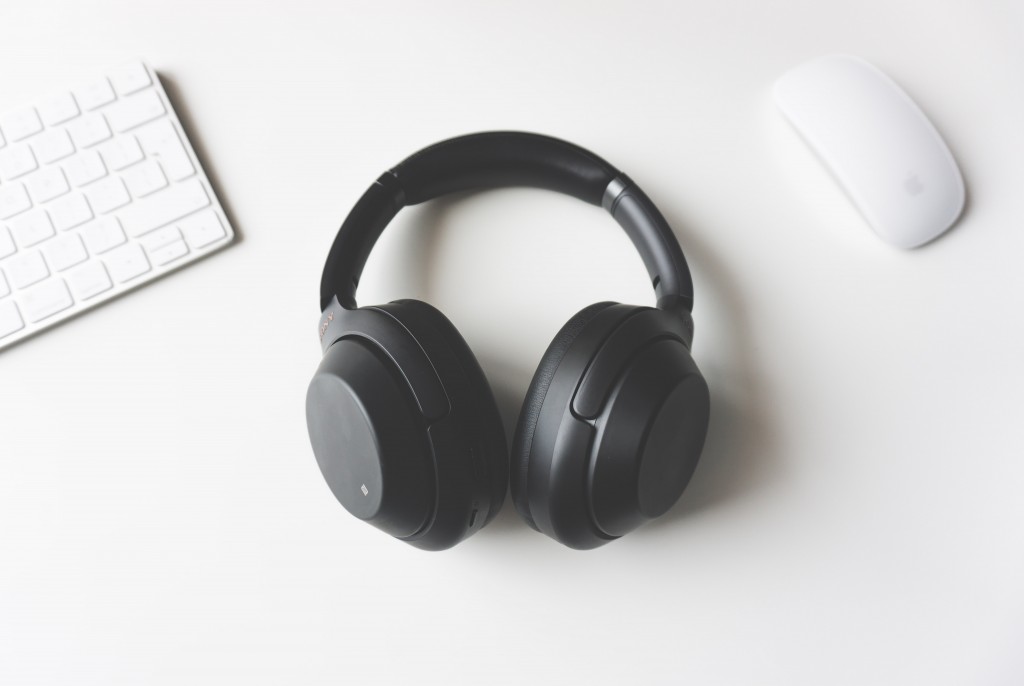
“Life seems to go on without effort when I am filled with music.” ― George Eliot
Alyssa has found her rhythm as a freelancer and founder of the blog, Freelancing Flow—see her tips for keeping it all running smoothly.
Read full interview from Interview with Alyssa, a copywriter and content strategist .
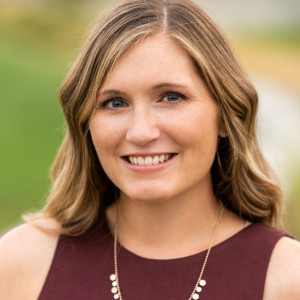
Interview with Audrey, a military wife thriving as a marketing manager
I’m a very structured person, and I thrive on routines, so work blocks are my BFF. I love looking at my day and designating specific chunks of time to certain things.
Here’s an inside look at how I typically set up my day with work blocks:
This can vary if I have meetings, but generally, the rule is that I do my creative work in the mornings, and save my less-creative work or my more administrative tasks for the afternoon when I’m feeling less invigorated:
8 am
- Organizing and prioritizing tasks
- Answering emails and Slack messages
- Making a to-do list of everything I want to accomplish for the day
- Prioritizing the list
8:30 am - 11 am: Creative work
- Writing projects (blogs, articles, etc.)
- Planning work (webinars, FB live events, and any creative brainstorming that needs to be done)
11:30 am: Break and lunch
12pm: Catch-up
- Email check
- Scheduling meetings
- Sending follow-ups, inquires, etc.
- Checking in with team members on project statuses, etc.
1 pm - 3:30 pm: Work block for less-creative tasks
- Accomplishing all other tasks on the to-do list,
- Wrapping up projects of the day
- Planning for tomorrow (writing meeting agendas etc.)
Marrying an active-duty army officer sent Audrey on the search for a remote work position—see how she has established her career while staying on the move.
Read full interview from Interview with Audrey, a military wife thriving as a marketing manager .
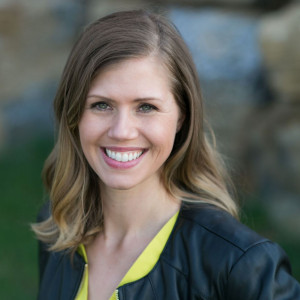
Interview with Tammy, founder and CEO of Workplaceless
When I journal every morning, I write down the three most important things I have to do that day. The goal is to get those things done before doing anything else.
I also keep track of my time using a Google Sheet, and keep track of all the tasks I have to do (and my team is working on) in Asana.
Learn how this founder and CEO of a remote work resource and certification program handles the triumphs and trails of location independence.
Read full interview from Interview with Tammy, founder and CEO of Workplaceless.
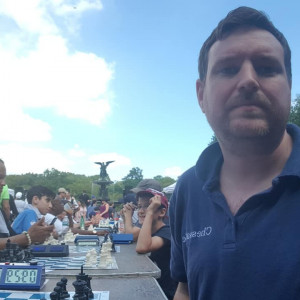
Interview with Leon, a journalist teaching the world to play chess
I think people work in different ways so it is difficult to come up with a generalisation that will help everyone. However, for me, I like to break the day up into parts where I focus on one single task, so I can get that ticked off.
I also like to have a period of about an hour or two, usually at the end of the day, where I do a bit of "freestyling." For example, going between tasks and making sure I've finished things, finding new tasks to work on later, and checking everything a second time.
Knowing I'm going to spend a small part of my day freestyling means I feel more comfortable really focusing on specific things at other times.
I have a scatty mind, so I make a point to schedule time to manage this.
Leon James Watson is a former journalist who has found the intrinsic value of remote work while teaching the masses to play chess.
Read full interview from Interview with Leon, a journalist teaching the world to play chess.
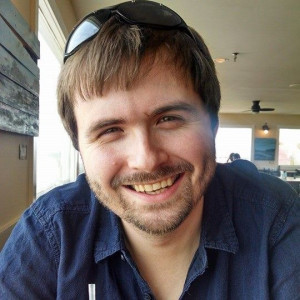
Interview with Steven Wade, a software engineer working on a remote team
I use Trello to track my tasks across their phases. The Mac app Tyme to track what I'm working on at any given moment.
I also use Slack reminders heavily. I have 2 daily recurring reminders - one at 8:30am and the other at 4:30am - to check GitHub for any pull requests that I've been tagged to review.
All of those things mixed with a consistent schedule help.
Learn more about how Steven works remotely, including his work routine, habits and how he found his remote job
Read full interview from Interview with Steven Wade, a software engineer working on a remote team.