How do you decide priorities?
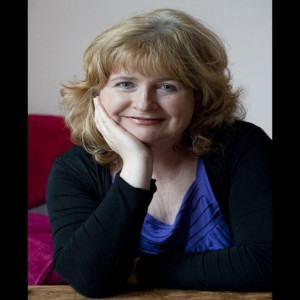
Interview with Rosemary, a digital content marketing manager reveals must-see freelance tips
Much of my work is project-based, often with time scales. So that affects my priorities and what type of work I am focusing on day to day.
Finally, remember to continue to market yourself and look after your own business as well as your clients.
Rosemary, a digital content marketing manager shares the freelance lessons she has learned over the years—see her tips & exceptional entrepreneurial wisdom.
Read full interview from Interview with Rosemary, a digital content marketing manager reveals must-see freelance tips.
Interview with Nikita, an entrepreneur building a website to learn anything
One of the best additions I have added to my workflow was a Trello board I made called 'Focus'. It's a simple board that has four columns: Temp & Always projects, Goals and Always.
I then mark the cards I want to focus on completing in this moment in time and work towards it.
Usually everything is done in context of my bigger and more long term goals although I don't plan too much ahead of time and just try and make things and see where that leads me.
The approach that worked tremendously well in staying productive is GTD
In that I keep nearly nothing in my memory that is not related to solving the problem I have at hand. Everything else is determined for me already with software (2Do task manager in my case) and I just choose what problems I want to solve today and work towards solving them.
Nikita uses a private Trello board where he outline things that he want to focus on in life and achieve.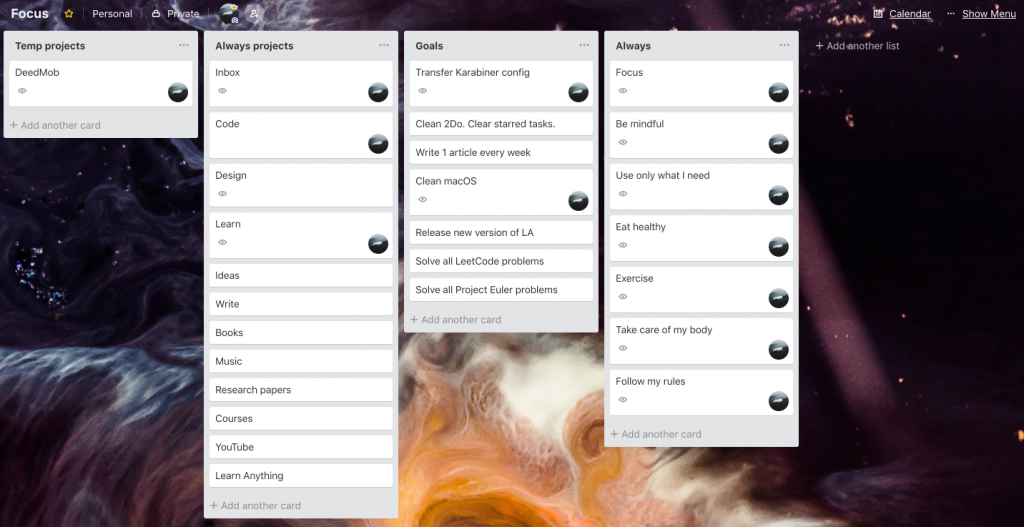
Nikita is an entrepreneur working on his startup while optimizing his productivity—learn how he organizes his life and work to maximize happiness
Read full interview from Interview with Nikita, an entrepreneur building a website to learn anything.
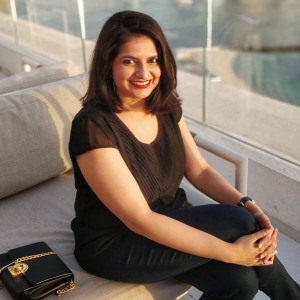
Interview with Shivani, a remote content writer who shares lessons learned
Most of my projects have deadlines, so that definitely plays a role in prioritising my time and tasks. I have a general idea of how much time I will need to do a specific task, so I use that timeline and the due date to decide what to work on each day.
I also use the Eisenhower matrix while setting priority levels to tasks in Todoist. It’s really helped me organise projects and days.
Shivani provides all you need to know about making remote work...work. She shares tips on finding the best remote work opportunity and thriving once you get it.
Read full interview from Interview with Shivani, a remote content writer who shares lessons learned.

Interview with Shauna, founder and business consultant specializing in remote work
As a business owner wearing so many hats, it's essential to understand where I can add the most value to my clients, what my highest ROI is and what I really enjoy doing.
From experience, priorities often change, but as long as it's contributing to the overall goal, it's okay to be flexible.
It's important to stay focused, which can be really hard to do when we work online. Reflecting at the end of each day as to what went well & what can be improved is a really great way to consistently get better, hold yourself accountable and ultimately, grow.
Shauna is a consultant that guides companies in thriving while remote—see her advice for staying grounded as a remote worker.
Read full interview from Interview with Shauna, founder and business consultant specializing in remote work.

Interview with Elizabeth, a graphic designer and art director
Some of my client work is consistent, so I know what to expect there and am able to portion my plate accordingly. I then layer other projects in the gaps, so to speak.
Those always have deadlines, so I work backwards on those to set milestones and deliverables. Almost every conversation I have ends with, “and when do you need this by?”
Elizabeth provides the ultimate list of tips for aspiring freelancers and remote workers. Check out her game-changing tools, and advice for thriving as a freelancer.
Read full interview from Interview with Elizabeth, a graphic designer and art director.
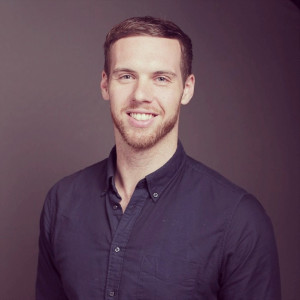
Interview with Stefan, a founder building a location-independent startup
Each day I set up key things I need to accomplish in the following categories:
- In the business
- On the business
- Clients
- Personal
Figuring out what becomes a priority that day is a function of:
- Strategic priorities
- Client / personal deadlines
- Urgent things
- Financial attachment (is it worth a lot of money to me and thus I want to get it done quickly so I can get paid)
Stefan now has total control over his time since leaving the traditional office in early 2019. Hear how his routine is helping him build a solid remote startup.
Read full interview from Interview with Stefan, a founder building a location-independent startup .
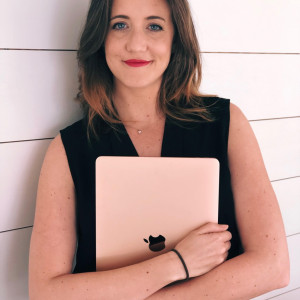
Interview with Erin, a virtual assistant with a successful approach to freelancing
Some of my client-work is consistent, so I know what's due by when and plan around those deadlines accordingly. Speaking of deadlines - giving myself due dates has been a real game-changer.
As a freelancer, you won't always have people or projects to dictate your work, so it's really up to you to determine what gets done and by when.
Regardless of what I'm working on, the first question I always ask myself is "When do I need this done by?"
Erin has found freelancing success as a virtual assistant—see her organizational tips & insights into how she picks clients that suit her business.
Read full interview from Interview with Erin, a virtual assistant with a successful approach to freelancing.

Interview with Jake, a customer success manager for Atlassian
I consider due dates, customer impact, team impact, and level of effort. If I can knock out some low hanging fruit in 5 or 10 minutes, I might just do it as long as that means I can still get the more important stuff done. Knocking out some small tasks right away helps build momentum for the rest of the day.
Jake was burned out on the San Francisco lifestyle—see how he transitioned from working in-office to working remotely for a remote-friendly company.
Read full interview from Interview with Jake, a customer success manager for Atlassian.

Interview with Molood, a CEO who shares how minimalism has improved her remote work experience
I think the word "priority" is a factor of importance and urgency. Did you know that for about 400 years, the word priority was not used in plural form?
Priority was the single task that needed to be done first. Somehow we humans have tried to bend reality by making the word plural and implying that several things can be done first, which is illogical if you think about it.
In my work, we stick to the singular form of the word. Everything is prioritized according to their urgency and importance. As I mentioned before, I heavily rely on my calendars and plan my time.
I have blocked some time in my calendar for lunch and dinner because otherwise, I literally would forget to eat. I also block some time for my morning routine.
For high-impact tasks, I break them down into smaller achievable goals, and task lists each with a due date. The business/project manager on my team is a big help in this area.
Using Basecamp as a task management system, we are forced to stay away from shiny features that usually add complexity to processes. Basecamp is built for simplicity, and striving for keeping things simple in our business keeps us organized and focused on what truly matters and needs to be done first.
As CEO and Founder of Remote Forever, Molood has made a career in teaching individuals and companies how to work remotely effectively. See how embracing a minimalist lifestyle has caused her to excel.
Read full interview from Interview with Molood, a CEO who shares how minimalism has improved her remote work experience.
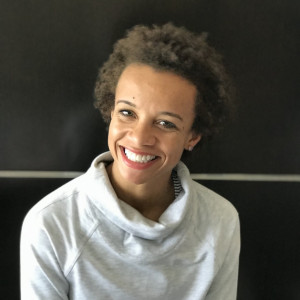
Interview with Haley, a VP of Operations shares her stellar remote work strategies
Our values, our company roadmap, my goals, and my role. It takes some time to figure out what the Venn diagram of what you can do vs. what needs to be done vs. what only you can do looks like, but it’s essential.
Leadership can feel like a choose your own adventure novel; time isn’t structured for you, so it’s important to have a clear sense of where you add the most value.
Haley has figured out the way she works best as a VP of Operations. See her principles of remote work and the unique advice a former boss gave her about breaks.
Read full interview from Interview with Haley, a VP of Operations shares her stellar remote work strategies.