What do you like about remote work?

Interview with Paul, a remote product designer who has found his zen
The flexibility. Also, it means less time commuting and more time for what’s important. I can design my ideal workday - within the constraints of the work I need to do.
I can focus on my work in a comfortable way; for example, I like to listen to music when I work, but having headphones on in the office all day is not very social and not all that comfortable.
At home, I can turn on the Sonos and play whatever I choose, without annoying anyone else or my ears!
The COVID-19 pandemic drove Paul to embrace remote work. See how he has adapted his routine to this new normal, and the one tool that keeps him organized.
Read full interview from Interview with Paul, a remote product designer who has found his zen .

Interview with Tyler, a director of customer success models how to start a remote work career
I like the flexibility most of all.
Secondary public education is a VERY co-located environment: bells every hour to send another set of people to a mandatory meeting outside of your control.
From networking to land a remote work gig, to building out an exceptional remote work tool stack, Tyler has quickly figured out how to thrive in remote work. See his tips for starting strong.
Read full interview from Interview with Tyler, a director of customer success models how to start a remote work career.
Interview with Betsy, a head of content and remote work routine expert
I find that the biggest advantages are not having a commute and having freedom and autonomy over how I spend my days. I can alter my hours quite easily depending on what works best for me and my husband.
I hear so many of my students or clients complain about commute times, wasted time in meetings, and hours spent sifting through emails. I'm really appreciative that I can keep each of these to a minimum by having control over my work and day.
Betsy Ramser is a content manager, blogger, and teacher who helps other remote workers thrive while creating a daily routine that works.
Read full interview from Interview with Betsy, a head of content and remote work routine expert.
Interview with Ayush, a CEO and avid remote team builder
Remote work opens up a bigger pool of talent to hire and manage.
That means you are off to the right start for scaling up.
Ayush is a CEO that is committed to helping companies build successful remote teams—see his process and tips for developing location independent teams that thrive.
Read full interview from Interview with Ayush, a CEO and avid remote team builder.

Interview with Gregory, a Senior Software Developer
The freedom, the ability to focus, and strangely enough, the isolation.
The freedom that remote work gives me is huge. I've been able to travel while still working. My wife (who also works from home) and I can fly up to the East Coast where both of our families are from and stay there for a week or two without having to worry about taking time off.
We even were able to pick where we wanted to live in the US (we chose northern Florida!) as we weren't tied to any specific area because of a job.
That kind of freedom is huge, and the ability to choose where I live is a perk that I can't even describe to most people because it's not something that they have thought about.
It's such an amazing bonus - the freedom to just look at a map and pick anywhere you would like to live. We are even planning to take a month-long trip across Europe one day, and we can still work for the majority of it.
The ability to focus and change your environment to something that suits you best is also very powerful.
It's made me a better developer, and I feel like I have a leg up over some of my colleagues that go into the office every day, because I don't need to worry about noisy coworkers, uncomfortable desks or chairs, or traffic!
And the last one might be a bit strange to many, but I genuinely enjoy the isolation.
I have the tendency to be an introverted person, and after being out with people (friends or coworkers), I feel mentally drained. Being able to shut myself into a room and just work on a task for a few hours provides a way to recharge myself.
It sounds crazy to some, but if I had a busy weekend, Monday mornings are my relaxation time in many aspects, because the isolation and ability to withdraw myself for chunks of time helps me relax and recharge.
Gregory is a senior software developer working from home - learn how he finds the balance between lack of focus and hyperfocus.
Read full interview from Interview with Gregory, a Senior Software Developer.
Interview with Digital Nomad Sage, an entrepreneur and UX consultant
What I like about remote work is that I don’t have to commute! I remember being exhausted after commuting to and from work every day. I also like that I can help babysit my niece.
After living for four years abroad in South Korea, you really start to miss your family. So I think the biggest perk of remote work is having time to spend with your family. I also like that I can sleep in and set my own schedule.
From e-books to blogging, Digital Nomad Sage has become an expert on making money online—see his advice for developing an online business.
Read full interview from Interview with Digital Nomad Sage, an entrepreneur and UX consultant.
Interview with Liz, a UI/UX designer and cowork advocate
I’ve dreamed of traveling for longer periods and for further distances for a long time. Working from an office with limited PTO days made that difficult.
When I realized that I could both keep my job and see the world, I was sold on the concept of remote work.
From a more local mindset, I started to really get to know my home town (Atlanta) as soon as I started working from home. I’ve discovered new niches of the city in search of the best coffee spots.
Liz is a traveling UI/UX designer—see her strategy for thriving as a digital nomad and her efforts to promote coworking.
Read full interview from Interview with Liz, a UI/UX designer and cowork advocate.

Interview with Melissa, a co-founder and remote work champion
I love that you can truly create un-interrupted space and time to complete a tough "think task" without feeling like an anti-social jerk!
I always struggled with this in traditional office settings.
I'm an extremely observant and also social person, so if anyone is by my desk, I feel obligated to take off headphones and engage in conversation.
If I saw someone upset while quickly grabbing water, I would inevitably have to ask them what was wrong. Before I knew it, I'd be an hour into hearing about their ex-boyfriend's Instagram feed.
Melissa started Work Well Wherever to help individuals & companies embrace remote work—see how she balances entrepreneurship, parenthood, & self-care.
Read full interview from Interview with Melissa, a co-founder and remote work champion.
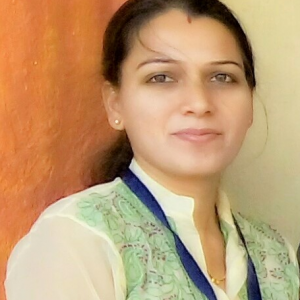
Interview with Vaishali, a content marketer and a productivity tool expert
Location and time flexibility: Remote work allows me to work whenever and wherever I want. This helps me balance my work and personal life without sacrificing either of it.
No more daily commutes: I feel privileged when I can just walk to my desk each day. There is zero travel time, no pollution, and no morning rush. This helps my mental & physical health.
Vaishali persevered until she found the right remote work job for her lifestyle—check out how she uses productivity tools and time management strategies to stay productive.
Read full interview from Interview with Vaishali, a content marketer and a productivity tool expert.

Interview with Kirsten and Jay-Allen, remote team coaches & collaboration experts
Flexibility: We work on our own schedules. On days when we have to take care of admin work, we can handle what we need to, and then just work in the evening or the weekend. It feels like work adapts to your life more.
Diversity of people: We’re on teams with people from Canada, Egypt, and right through to Malaysia. Being able to meet and connect with such diverse people is an opportunity we wouldn’t otherwise have
Focus time: Working remotely gives you quiet time at your desk to do your work. While we have loved working collocated with colleagues, open-plan offices are not always that great for providing focus time.
Remote team coaches, Kirsten and Jay-Allen, offer three pieces of advice for new remote workers and reveal the one question every remote job seeker should prepare to answer.
Read full interview from Interview with Kirsten and Jay-Allen, remote team coaches & collaboration experts.